
Understanding the Guo Family Bone-Setting Technique of Pingle
Development History
PingLe Guo’s Orthopedic Manipulation originated in 1793 in PingLe Village, PingLe Town, Mengjin County, Luoyang City, and has a history of more than 220 years. Passed down through eight generations, it enjoys a renowned reputation both at home and abroad. It is a school of traditional Chinese medicine specializing in bone and injury disorders, characterized by a complete theoretical system and extensive, well-documented academic expertise and clinical experience. In 2008, “PingLe Guo’s Orthopedic Manipulation Technique” was included in the National List of Intangible Cultural Heritage of China; in 2013, the “PingLe Guo’s Orthopedic School” was approved by the State Administration of Traditional Chinese Medicine as one of the first national pilot institutions for the establishment of TCM school inheritance studios; in April 2019, it was selected as a project unit for the second round of the National TCM Academic School Inheritance Studio Construction Program; and in June 2019, “PingLe Guo’s Orthopedic Manipulation Technique” was recognized as an outstanding case of best practices in the protection and implementation of nationally representative intangible cultural heritage projects by the Ministry of Culture and Tourism.
First-generation founder:
Guo Xiangtai, courtesy name Zhihe A native of the Qing dynasty during the reigns of the Qianlong and Jiaqing emperors, he was devoted to learning from an early age and immersed himself in the art of orthopedic manipulation, tirelessly practicing and refining his skills. Whenever patients sought his treatment, a single touch would bring about healing, making him the founding patriarch of the “PingLe Guo School of Orthopedic Manipulation.” Since its founding, the institution has earned widespread renown in the community for its superb medical skills and noble professional ethics, and has upheld the ancestral precept: “Whether one is a royal or noble, or a displaced person or beggar, all who come seeking treatment shall be welcomed without exception.”
Second-generation successor:
Guo Shuxin, courtesy name Dunfu. (1820–1889) founded the century-old time-honored brand “Yiyuantang” and authored the “Guo Family Precepts,” which have been passed down through generations.
In the first year of the Guangxu reign, Zuo Zongtang led his troops westward to reclaim Xinjiang; en route, he accidentally fell from his horse and suffered a fracture. Guo Shuxin was summoned to provide treatment. After examining Zuo Zongtang’s condition, Guo performed manual reduction of the fracture and supplemented it with his family’s time-honored herbal remedies, administered both internally and externally. In little more than a month, Zuo’s fracture had fully healed, whereupon he was overjoyed and offered Guo a substantial reward. However, adhering to his family’s principle of “accepting no gifts for treating patients,” Guo politely declined. Subsequently, Zuo Zongtang successfully reconquered Xinjiang, greatly enhancing the Guo family’s reputation.
Third-generation inheritor:
Guo Guantian, courtesy name Cungeng. (Birth and death dates unknown), he studied medicine under his father from an early age. According to the “Local Gazetteer of Luoyang County,” Guo Guantian “frequently accepted invitations from outside the county to diagnose and treat patients” and concurrently compiled the “Essentials of Orthopedic Manipulation Techniques,” which was passed down to later generations.
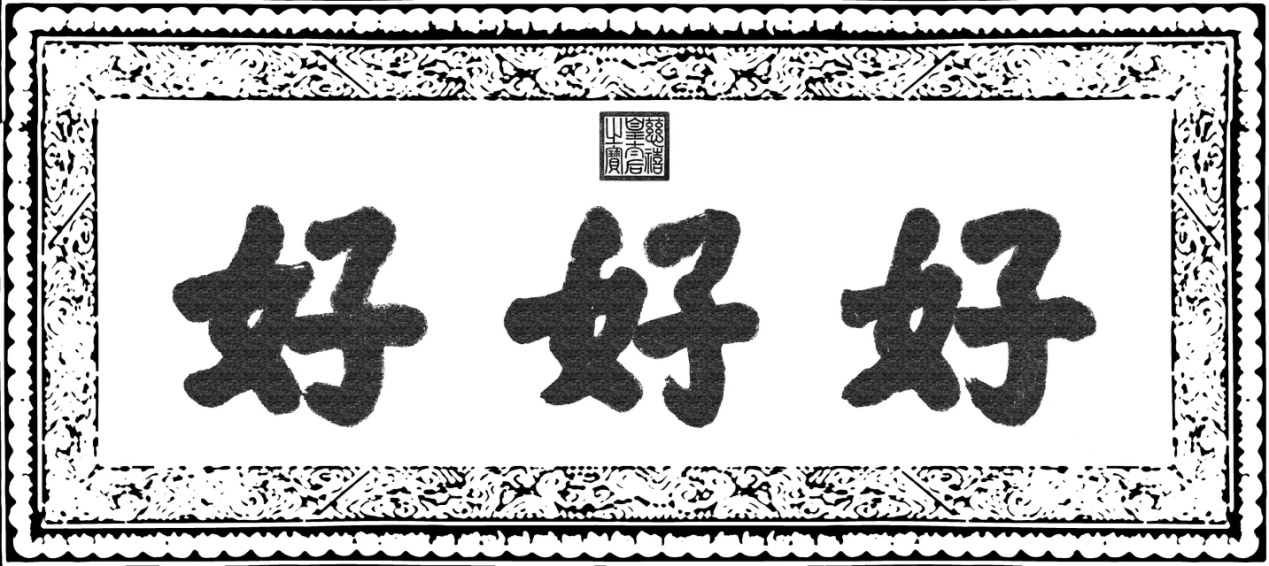
In 1901, while the Empress Dowager Cixi and her entourage were returning to Beijing via Luoyang, they were harassed by an unidentified armed group. A prince of the imperial clan was unexpectedly injured and suffered a fracture. The Prefect of Henan summoned Guo Guantian to treat the prince’s injury. Drawing on his family’s time-honored prescriptions and therapeutic techniques, Guo Guantian successfully reduced the fracture and provided comprehensive medical care. Within less than a month, the prince’s condition had largely healed. Upon their return to Beijing, the prince reported the incident to the Empress Dowager, who personally inscribed the three characters “Hao Hao Hao” and had them made into a plaque to be bestowed upon Guo Guantian. In addition, she conferred upon him the rank of fifth-grade official, thereby granting him the dual status of a private-sector physician and an imperial court physician.
Fourth-generation inheritor:
Guo Pingsan, courtesy name Liyin. (1865–1929) was a prolific reader with an encyclopedic knowledge of the classics, deeply versed in the principles of medicine. He synthesized the strengths of various schools of traumatology and integrated them with his clinical experience. Building upon the family’s traditional Chinese orthopedic techniques, he conducted a comprehensive study of the entire skeletal system and compiled a detailed atlas of the human skeleton. According to the “Chronicles of Luoyang County,” “He succeeded his grandfather in the practice of bone-setting and, drawing on the profound and far-reaching insights of the ‘Spiritual Pivot’ and the ‘Plain Questions,’ reconciled the esoteric doctrines of earlier masters to establish a unique school of treatment that gained renown throughout the country. Although occasionally confronted with the limitations of Western medicine and its techniques, he was widely sought after for consultation; whenever he treated a case, the results were invariably remarkable, earning universal admiration. As a result, the Guo school became uniquely celebrated both at home and abroad, with patients often lining up outside his door.”
After Henry, an American missionary, suffered a leg fracture in a horse-riding accident that led to a severe infection, multiple rounds of treatment proved futile and ultimately necessitated amputation. Faced with no other option, Henry turned to Guo Pingsan for help. Guo employed a time-honored family formula—administering herbal remedies internally, applying topical poultices and washes, and performing manual reduction—and after a course of treatment, Henry’s son’s leg was successfully saved. This story was later inscribed on Guo Pingsan’s tombstone: “In Zhengzhou, the son of a Western physician fell from his horse and suffered a compound fracture of the femur. According to Western medical practice, the leg would have to be sawed off below the knee in order to save the patient’s life. However, when Mr. Guo Pingsan was summoned, he treated the patient with manual manipulation, causing no pain and enabling the patient to recover fully within a month and return to normal. The Western physician exclaimed: ‘What extraordinary skill this is in China—Western medicine can scarcely hope to match it!’”
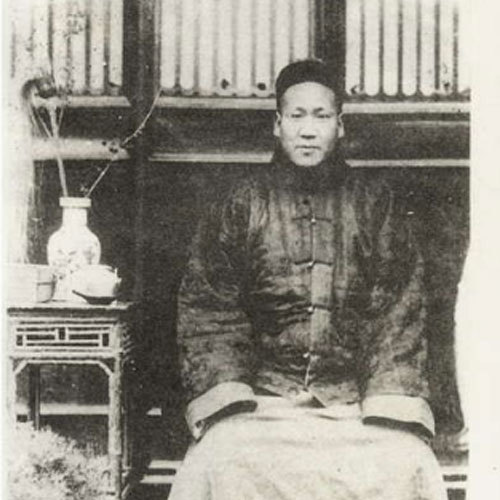
Fifth-Generation Heir—Pioneering Figure in the PingLe Guo School of Bone-Setting
Guo Jingxing, courtesy name Canruo. (1895–1950), son of Guo Pingsan, began practicing medicine alongside his father in his youth. Through his father’s oral instruction and hands-on mentorship, he quickly developed the qualities of a renowned physician and distinguished himself as an outstanding practitioner. Building upon the techniques of his predecessors, he systematically formulated the orthopedic manipulation methods of “rocking and tapping, circling and kneading, and rotating and lifting.”

Gao Yunfeng (1906–1976) married Mr. Guo Canru in 1926. In 1930, Mr. Guo fell gravely ill. Defying the Guo family’s ancestral precept of “passing the art only to sons and not to daughters, and only within the family and not to outsiders,” he courageously entrusted the PingLe Guo School of Orthopedic Manipulation to his wife, Ms. Gao Yunfeng, thereby shaping her legendary life and, at the same time, rewriting the destiny of the PingLe Guo School of Orthopedic Manipulation.
In 1952, Mr. Gao Yunfeng, accompanied by his son Guo Weihuai, presented the family’s time-honored secret formula to the nation and to the people. In 1956, Gao Yunfeng was invited to attend the Second Session of the National Committee of the Chinese People’s Political Consultative Conference, where he was received by Chairman Mao Zedong and Premier Zhou Enlai. Chairman Mao encouraged him to “train more apprentices and serve the people wholeheartedly.” In the same year, China’s first public specialized hospital for traditional Chinese medicine in orthopedics and traumatology—the Luoyang Special Administrative Region Bone-Setting Hospital (now renamed Henan Provincial Luoyang Orthopedic Hospital)—was established. In 1958, the country’s first public undergraduate institution for TCM orthopedics and traumatology—the Henan Province Pingle Bone-Setting College—was founded, followed in 1959 by the establishment of the nation’s first research institute for orthopedics and traumatology—the Luoyang Bone-Setting Research Institute (now renamed the Henan Provincial Orthopedic Research Institute). These milestones enabled the Pingle Guo School of Bone-Setting to achieve, in the 1950s, an embryonic integration of medical practice, education, research, and industry. She is regarded as the founder of higher education in TCM orthopedics and traumatology and the pioneer of the Pingle Guo School of Bone-Setting.
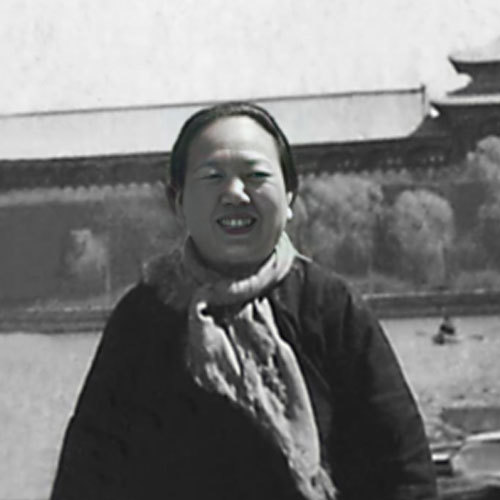
The Sixth-Generation Heir—the Culmination of the PingLe Guo School of Bone-Setting
Guo Weihua (1929–2015), Chief Physician of Traditional Chinese Medicine, Lifetime Honorary President of the Luoyang Orthopedic Hospital in Henan Province, representative inheritor of the national intangible cultural heritage “Traditional Chinese Medicine Orthopedic Therapy,” recipient of the first “Bethune Medal” in the field of TCM, and a “Model of National Medicine.” He began studying medicine in childhood and was practicing independently by the age of 16. Beginning in 1956, he assisted his mother, Gao Yunfeng, in establishing the Luoyang Special Administrative Region Orthopedic Hospital (now renamed Henan Provincial Luoyang Orthopedic Hospital), the Henan Pingle Orthopedic College, and the Henan Pingle Orthopedic Research Institute (now renamed the Henan Provincial Orthopedic Research Institute). He was a pioneer of modern higher education in traditional Chinese medicine orthopedics in China and the culmination of the Pingle Guo School of Orthopedics.
Since 1983, Guo Weihuai has been invited on numerous occasions by the Central Health Care Bureau to travel to Beijing to provide medical consultations for several central leaders. In 1987, he was again summoned to Beijing to treat President Li Xiannian’s lower-back pain. Using a combination of oral Chinese herbal medicine and external applications of the PingLe Guo-style orthopedic massage and tendon-loosening techniques, along with acupoint massage, he achieved remarkable therapeutic results in just seven days. This outstanding success quickly made his reputation renowned both at home and abroad.
With more than 70 years of clinical practice, Guo Weihuai has treated countless patients and has been honored as the representative inheritor of the national intangible cultural heritage “Traditional Chinese Medicine Bone-Setting Therapy,” one of the first batch of nationally renowned senior TCM experts, and a “Model of National TCM.” He has also been awarded the Bethune Medal, the inaugural Special Contribution Award for TCM Inheritance, the Lifetime Achievement Award for TCM in Henan Province, and the National Outstanding Contribution Award for TCM. Moreover, he has systematically summarized the academic principles of the “Three Principles and Four Methods” of the Pingle Guo School of Bone-Setting, as well as the “Qi–Blood Differentiation Theory.”

The Seventh-Generation Heir—Innovator in PingLe Guo’s Orthopedic Bone-Setting
Guo Yansi ( (1948–1994), the seventh-generation inheritor of the Pingle Guo School of Orthopedic Manipulation. He began studying medicine in childhood and subsequently worked for many years in the Department of Orthopedics at the Second People’s Hospital of Luoyang City and at the Henan Provincial Luoyang Orthopedic Hospital, where he specialized in integrated Chinese and Western medicine orthopedics, acquiring extensive clinical experience and profound scholarly accomplishments. As a protégé of Guo Weihua, one of the first nationally renowned senior TCM practitioners designated by the “Two Ministries and One Administration” (the Ministry of Personnel, the Ministry of Health, and the State Administration of Traditional Chinese Medicine) and the sixth-generation inheritor of the Pingle Guo School of Orthopedic Manipulation, he excels in manual therapy for patients with various bone and soft-tissue injuries as well as in syndrome-differentiated treatment with Chinese herbal medicine for a wide range of miscellaneous trauma-related conditions. He is the author of the book “Pingle Orthopedic Manipulation” and has published numerous academic papers.
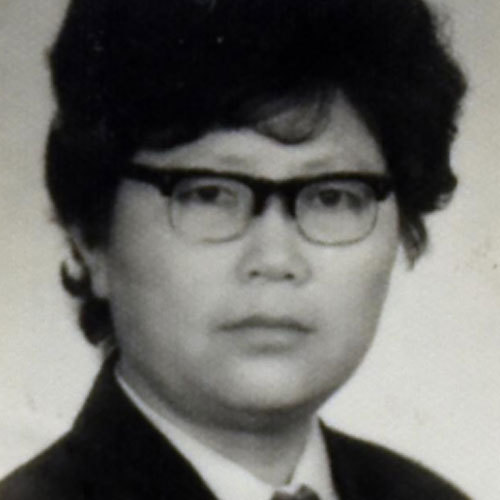
Guo Yanjin National-level representative inheritor of the “Pingle Guo School of Orthopedic Manipulation,” chief physician, nationally renowned senior expert in traditional Chinese medicine, mentor for the fifth batch of national programs for inheriting the academic expertise of senior TCM experts, and recipient of the inaugural National Award for Outstanding Apprentices in TCM Heritage.
Guo Yanjin began studying medicine in her youth, thoroughly mastering the classical texts. She studied under her grandmother, Gao Yunfeng, and her father, Guo Weihua, and has been practicing medicine for more than 50 years. She is particularly skilled in treating complex orthopedic conditions such as cervical spondylosis, femoral head necrosis, low back and leg pain, and frozen shoulder, renowned especially for her precise medication selection, rigorously formulated and highly refined prescriptions, and remarkable therapeutic efficacy.
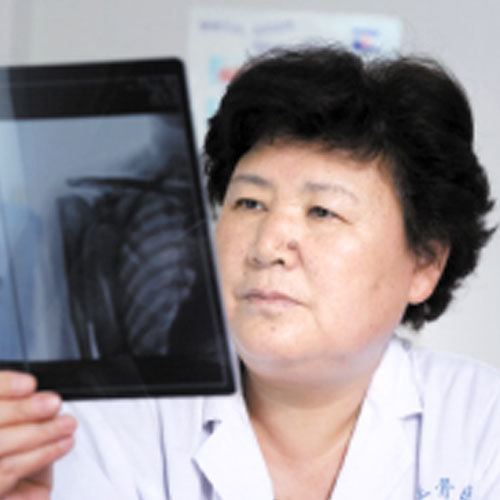
Guo Yanxing National-level representative inheritor of the “Pingle Guo School of Orthopedic Manipulation,” second-level chief physician, successor to the academic legacy of Guo Weihuai, a renowned veteran TCM practitioner recognized by the “Two Ministries and One Bureau,” master’s and doctoral supervisor, postdoctoral mentor, expert receiving a special government allowance from the State Council, recipient of the Henan Province Outstanding Contribution Award in Traditional Chinese Medicine, and a celebrated TCM practitioner of Henan Province.
He has successively served as the Director of the Inheritance Studio of National Renowned Veteran TCM Experts Guo Weihua, the Director of the Inheritance Studio of the Pingle Guo School of Orthopedics—a prominent school of TCM scholarship—, and the Leader of a National Key Specialty. He has also held positions as a Member of the Council of the China Association of Traditional Chinese Medicine, Vice Chairman of the Orthopedics and Traumatology Committee of the China Association of Traditional Chinese Medicine, Vice President of the Orthopedics and Traumatology Branch of the World Federation of Chinese Medicine Societies, Executive Committee Member of the Orthopedics and Traumatology Committee of the Chinese Society for Integrated Traditional and Western Medicine, Executive Vice Chairman of the World Federation of Chinese Medicine Orthopedics and Traumatology, Executive Vice Chairman of the World Federation of Manual Medicine, and Chairperson of the Orthopedics and Rehabilitation Committee of the Henan Provincial Society for Integrated Traditional and Western Medicine. In addition, he serves as an Associate Editor of both “Chinese Orthopedic Manipulation” and “Chinese Journal of Traditional Chinese Medicine in Orthopedics and Traumatology.”
Professor Guo Yanxing has studied the PingLe Guo School of Orthopedic Manipulation since childhood under the tutelage of her grandmother, Gao Yunfeng—the fifth-generation inheritor of the school and a nationally renowned TCM physician. She has comprehensively inherited the academic principles and clinical experience of both her grandmother and her father, Guo Weihua, thereby mastering the essence of the PingLe Guo School’s orthopedic techniques. Over more than four decades of clinical practice, she has employed the distinctive diagnostic and therapeutic methods of the PingLe Guo School to relieve patients’ pain and suffering.
Through induction and synthesis, Guo Yanxing, in light of modern lifestyles and the changing disease spectrum, has expanded the academic thought of Pingle Orthopedics—building upon its “Three Principles” and “Four Methods”—to encompass “Seven Principles” and diagnostic… Treatment Methods (Six Methods) Furthermore, he has developed the “Pingle Orthopedic Balance Theory” system. He has published more than 240 academic papers and authored 27 monographs. Currently, he is leading four research projects at or above the prefectural/departmental level, has received seven provincial- or ministerial-level scientific and technological achievement awards, 25 prefectural- or departmental-level awards, five national invention patents, and ten utility model patents. He has supervised 33 master’s students, four doctoral students, and five postdoctoral fellows.
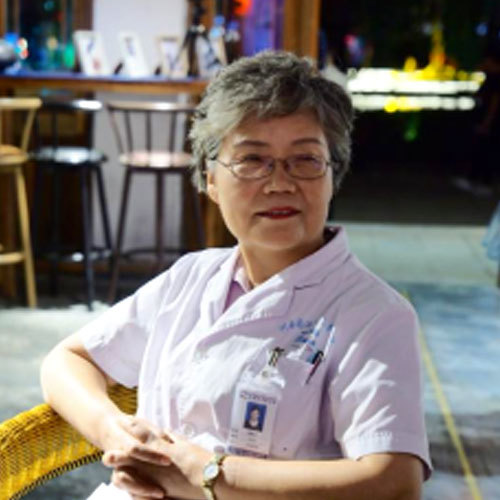
The Eighth-Generation Successor—A Practitioner of PingLe Guo’s Orthopedic Therapy
Guo Jiayi is a provincial-level representative inheritor of the “Pingle Guo School of Orthopedic Manipulation,” a chief physician of traditional Chinese medicine, a master’s supervisor, and a He Luo Craftsman. She currently serves as the Director of the Center for Research and Treatment of Non-Surgical Therapies for Bone and Joint Diseases at the Luoyang Orthopedic Hospital of Henan Province, the Director of the Pingle Orthopedic Research Laboratory, the Head of the National Inheritance Studio for the “Pingle Guo School of Orthopedic Manipulation” within the academic schools of TCM, the Vice Chairperson of the Orthopedics and Traumatology Branch of the China Association of Traditional Chinese Medicine, the Vice President of the Specialty Committee on Bone and Joint Diseases of the World Federation of Chinese Medicine Societies, the Vice Chairperson of the Joint Disorders Specialized Committee of the Orthopedics and Traumatology Branch of the China Association for the Promotion of TCM Research, and the Vice Chairperson of the Health Management Branch of the Henan Medical Association.
From an early age, she studied under her grandfather, Guo Weihuai, and her mother, Guo Yansi, and later apprenticed under Professors Guo Yanjin and Guo Yanxing as well as National Master of Traditional Chinese Medicine Professor Wei Guikang. She has thus thoroughly mastered the authentic techniques of “Pingle Guo School Bone-Setting” and has been engaged in teaching, research, and clinical practice in TCM orthopedics for 30 years, possessing a solid theoretical foundation and extensive clinical experience. Guided by the Pingle Guo School’s theory of balance in bone-setting, she has developed the “Pingle Guo School’s Theory of Bone Nourishment and Its Prevention and Treatment System,” serving as a steadfast guardian, inheritor, and promoter of this tradition. She is committed to the academic inheritance, talent cultivation, and wider application and promotion of Pingle Guo School Bone-Setting. To date, Guo Jiayi has published more than 60 scholarly papers, authored 22 books, received 11 science and technology achievement awards at or above the prefectural–department level, obtained one national invention patent and 12 utility model patents, and served as principal investigator or participant in 12 research projects at or above the departmental level.
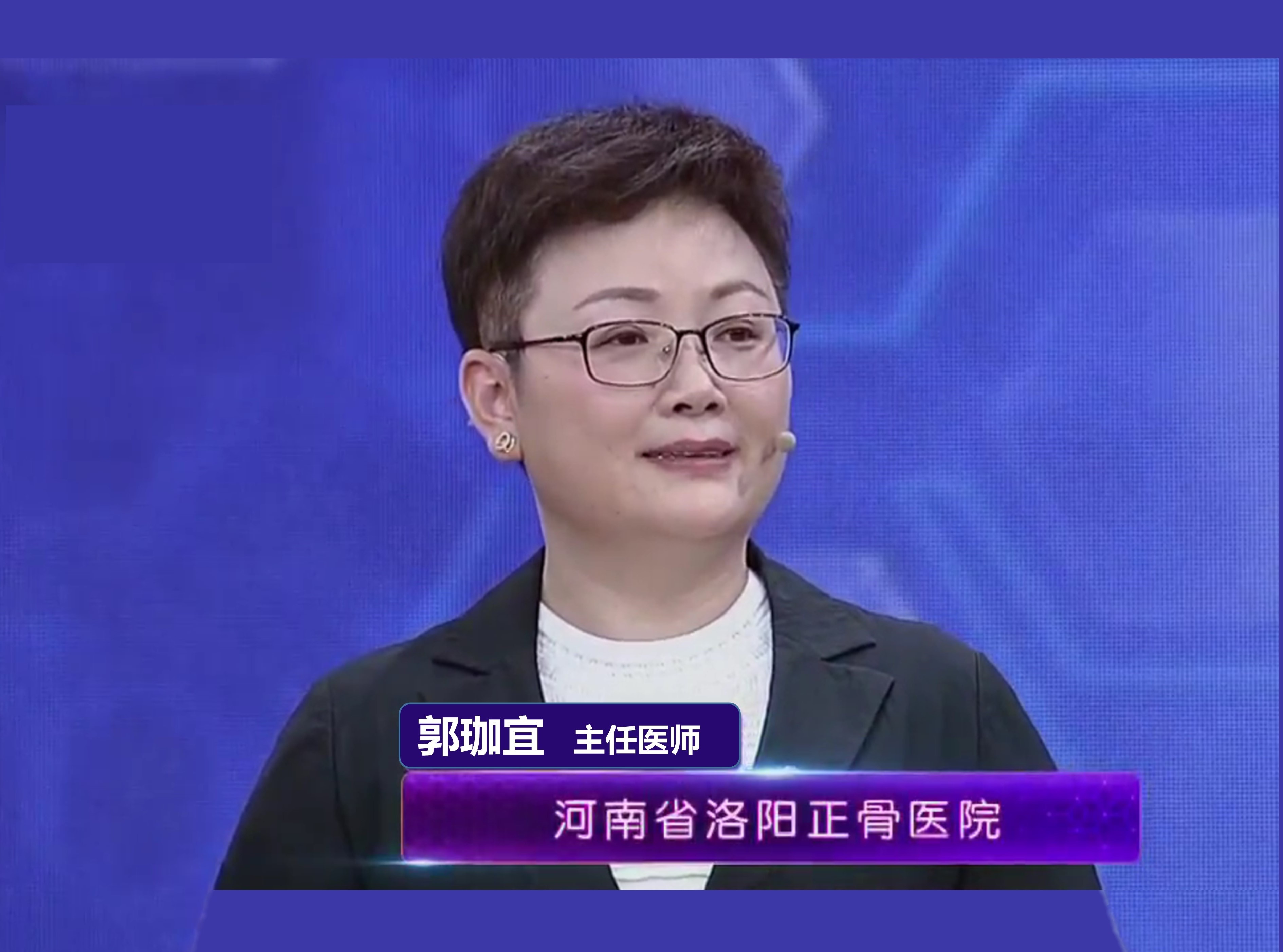
Guo Malong is the provincial-level representative inheritor of the “PingLe Guo School of Orthopedic Manipulation,” a chief physician, and a graduate supervisor. He currently serves as the Director of the Department of Bone and Joint Diseases at the Luoyang Orthopedic Hospital of Henan Province (Henan Provincial Orthopedic Hospital).
Guo Malong has studied under his grandfather, Guo Weihua, since childhood, and has also been mentored by Professor Guo Yanjin and National Master of Traditional Chinese Medicine Professor Wei Guikang. He has been engaged in integrated Chinese–Western medicine clinical practice in orthopedics and traumatology for more than 20 years, demonstrating exceptional clinical expertise and high professional ethics.

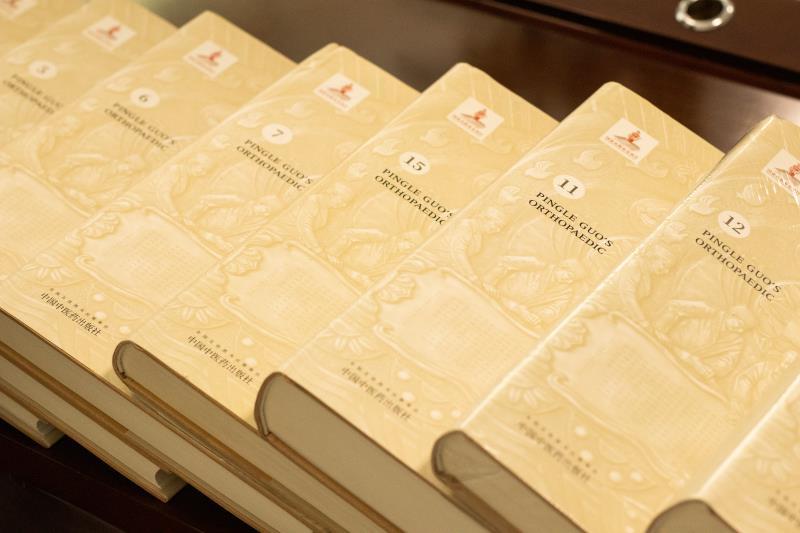
In 2018, Guo Yanxing served as the chief editor and Guo Jiayi as the deputy chief editor, and the China Press of Traditional Chinese Medicine published the “Pingle Orthopedic Series” (a total of 18 volumes), which comprehensively presents the academic thought and distinctive features of Pingle Orthopedics and, for the first time, incorporates the theory of balance and the bone-nourishing system into the series. To comprehensively showcase the academic thought and distinctive scholarly characteristics of Pingle Orthopedics. It has enriched and refined the diagnostic and therapeutic content of traditional Chinese medicine in the field of orthopedics and traumatology.
Since 2013, the seventh and eighth-generation inheritors of Pingle Guo’s Orthopedic Therapy have continuously promoted the distinctive diagnostic and therapeutic techniques of this school by establishing secondary-level workstations. As of November 2021, a total of 20 such workstations had been set up nationwide, spanning 15 provinces and municipalities directly under the central government. Over the past half-century, Pingle Guo’s Orthopedic Therapy has consistently welcomed advanced trainees, professional educators, and students from across China and overseas, imparting its unique diagnostic and therapeutic methods. This has gradually established a distribution network centered in Luoyang that radiates throughout the country and extends internationally, thereby enabling more patients to benefit from the distinctive techniques of Pingle Guo’s Orthopedic Therapy.
Address: 1st Floor, Office Building, Compound No. 451, Mudan Avenue, Luolong District, Luoyang City, Henan Province Telephone:400-658-9896 Email:plgszggjk@163.com
Copyright © 2022 Luoyang Pingle Guo’s Orthopedic Bone Health Industry Co., Ltd. This website supports IPv6.Website Development: China Enterprise Dynamics Luoyang SEO tags