Health Information

Learning to eat a balanced diet can help strengthen your vital energy.

Release Date:

2022-07-07 17:51
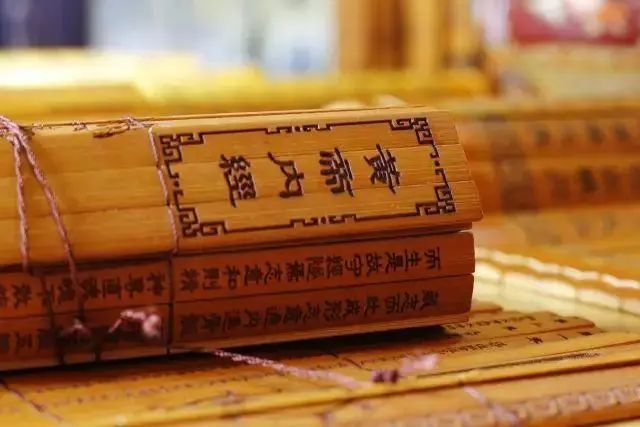
The Yellow Emperor’s Classic of Internal Medicine states: “Grains nourish, vegetables fill, and fruits assist.”
 
Throughout one’s life, yin and yang are in a constant state of ebb and flow, transformation, and movement; life itself is the foundation for maintaining this yin-yang balance, while diet is the fundamental condition for human survival and health. Regulating the balance of yin and yang within the body through diet is the key to health preservation.
 
 
As the saying goes, “Food is the paramount necessity of the people; nourishment sustains life.” In matters of diet, one should practice moderation, avoiding both extreme hunger and overeating; ensure that food is clean and hygienic; carefully balance the five flavors, refraining from excessive preference for any single taste; and align one’s eating habits with the seasonal changes, observing appropriate dietary restrictions and recommendations for each season.
 
The “Situation Chapter” of the Guanzi states: “When diet and drink are moderate… one’s body benefits and lifespan is extended”; “When diet and drink are immoderate… the body becomes burdened and lifespan is shortened.”
 
The Plain Questions, in the chapter “On Bi Syndrome,” states: “When one’s diet doubles, the stomach and intestines are thereby injured.”
 
The “Record of Nurturing Nature and Prolonging Life” also states: “Forcing oneself to drink when not thirsty will cause gastric distension; forcing oneself to eat when not hungry will overwork the spleen.”
 
 
The “Plain Questions: On the Great Principle of Yin-Yang Correspondence” states: “ For deficiency of form, warm it with qi; for deficiency of essence, replenish it with flavor. 。”
 
In essence, based on the waxing and waning of yin and yang in the human body and the distinct properties and functions of various herbs and foods, one should adopt an appropriate dietary regimen—either to nourish the essence or to nourish the form—in order to harmonize yin and yang.


Imbalance of yin and yang in the human body typically manifests as either yin deficiency or yang deficiency, and dietary adjustments should differ accordingly based on which imbalance is present.
 
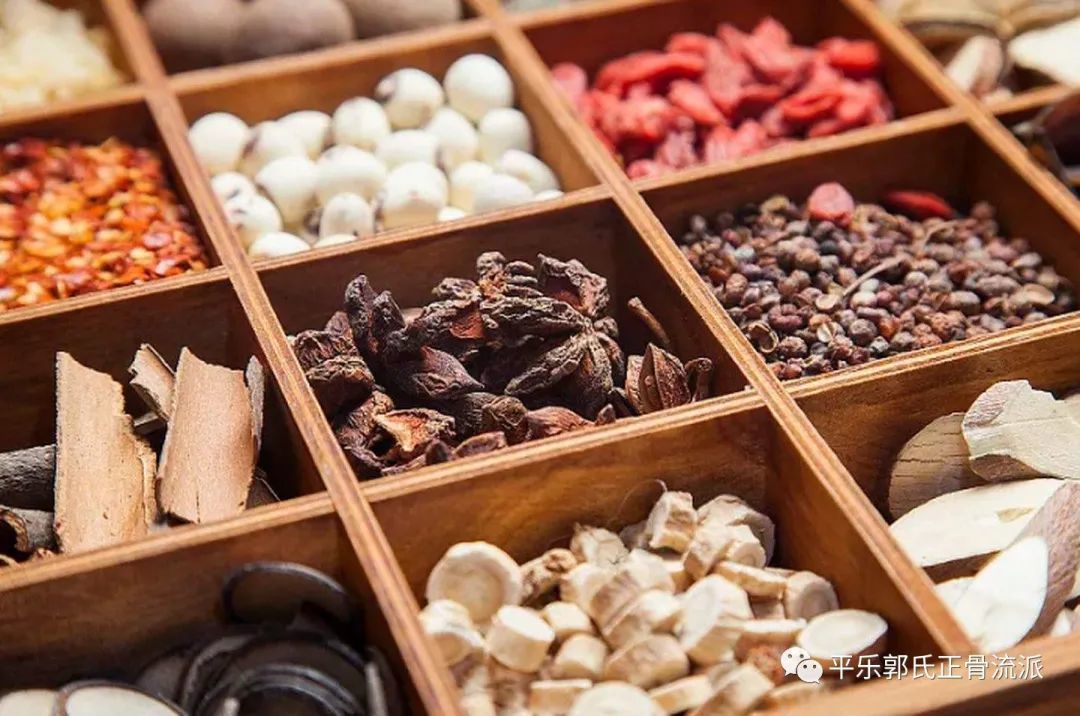
People with yin deficiency typically exhibit symptoms such as emaciation, heat in the palms and soles, dry mouth and throat, a preference for cold drinks, constipation, a red tongue with little coating, and a fine, rapid pulse. In terms of diet, it is advisable to consume foods that are sweet, moistening, and promote the generation of body fluids, such as black sesame seeds, black fungus, wheat, white fungus, and pears. Avoid spicy, pungent, fatty, rich, and warming foods.
 
People with yang deficiency typically exhibit symptoms such as aversion to cold, cold hands and feet, a preference for warm drinks, low energy, a pale, swollen, and tender tongue, and a deep, slow pulse. In terms of diet, it is advisable to consume warming foods, such as mutton, pepper, fennel, and chives. Avoid consuming raw, cold, and cooling foods.


“The Plain Questions: On the Five Flavors” states: Each of the five flavors follows its corresponding organ: sour flavor first enters the Liver; bitter flavor first enters the Heart; sweet flavor first enters the…
The Spleen: grains have a pungent flavor and first enter the Lung; grains have a salty flavor and first enter the Kidney. 。”
 
Because our five zang organs have different inherent attributes, dietary choices must also differ accordingly, giving rise to the health-preserving principle that sour flavors tonify the liver, bitter flavors tonify the heart, sweet flavors tonify the spleen, pungent flavors tonify the lungs, and salty flavors tonify the kidneys. For example, chestnuts have a salty taste, which enters the kidney and thus tonifies it; jujubes have a sweet taste, which enters the spleen and thus tonifies it, and so on.
 
“The Plain Questions: On the Unity of Vital Energy and Heaven” states: “ If the taste is excessively sour, the liver qi will consume the body fluids, and the spleen qi will be depleted. If the taste is excessively salty, the bones will become fatigued, and the muscles will shorten.
When the heart qi is suppressed, and the taste is excessively sweet, the heart qi becomes labored and full, the complexion turns dark, and the kidney qi loses its balance. When the taste is excessively bitter, the spleen qi fails to nourish, and the stomach qi grows robust. When the taste is excessively pungent, the sinews and vessels slacken, and the spirit becomes feeble. 。”
 
While the five flavors can tonify and nourish the five zang organs, they can also harm them. Therefore, dietary moderation is essential; excessive or biased eating over the long term will damage the zang-fu organs and disrupt the body’s yin–yang balance.
 
Moreover, the human body continuously adjusts in response to changes in the weather; as spring brings warmth, summer brings heat, autumn brings coolness, and winter brings cold, the body undergoes a series of corresponding cycles—spring for growth, summer for development, autumn for harvest, and winter for storage.

Keywords: