
The gentle summer heat arrives.
Release Date:
2022-07-07 15:32
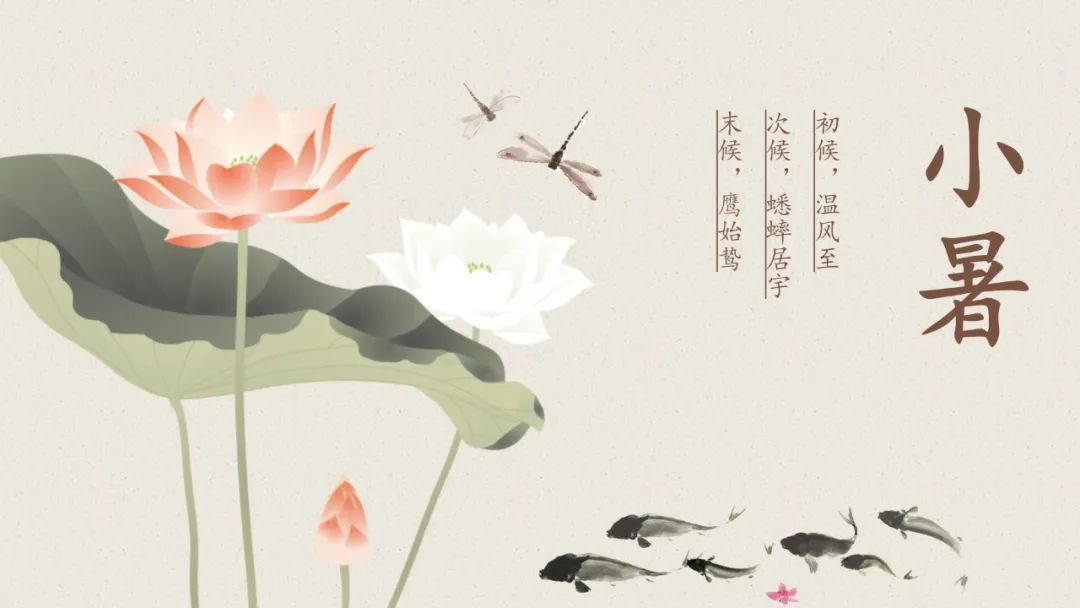
The character “shu” signifies heat; “xiaoshu” means “slight heat,” indicating that the weather is beginning to grow hot but has not yet reached its peak. This climatic pattern generally holds true across most regions of China.
The Minor Heat season is marked by three seasonal changes: “First, the warm breeze arrives; second, crickets take up residence in homes; third, hawks begin to hunt with ferocity.”
In other words, at this time of year, the winds sweeping across the land carry not a single cool breeze but instead scorching heat waves; because of the sweltering weather, crickets have fled the fields and sought refuge in the corners of courtyards to escape the summer heat, while hawks, too, soar to higher altitudes to find respite from the blistering ground temperatures.
Daily Living and Bone Nourishment:
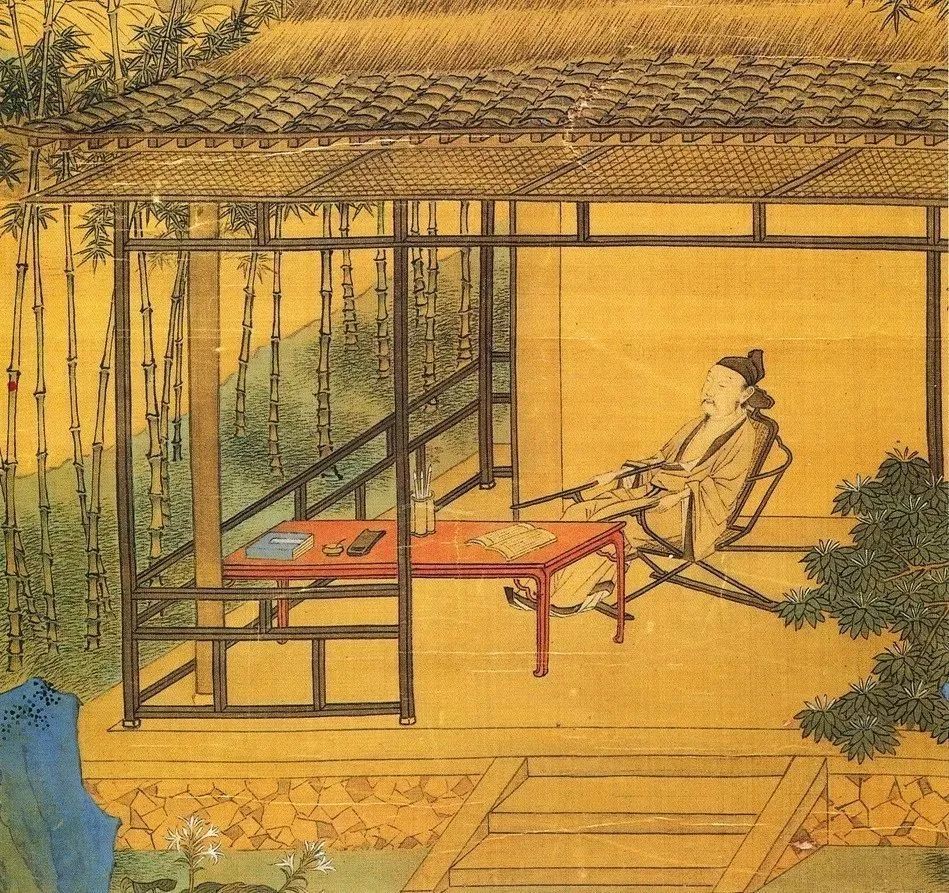
During the Minor Heat solar term, days are longer and nights shorter, so one should adjust daily routines to align with these climatic changes by going to bed later and rising earlier. While at work, it is important to balance exertion with rest and take appropriate breaks.
It is advisable to develop the habit of taking a midday nap and to ensure a good “zi-wu” nap. When sleeping, avoid using electric fans or air conditioners; do not sleep with your upper body bare; do not lie directly on the floor; and do not sprinkle water on the floor before bed. Do not seek fleeting coolness at the expense of your health.
Dietary Bone Nourishment:
“The heat is at its peak during the “Sanfu” period,” marking the official start of the dog days. The term “fu” means “to hide” or “to lie dormant,” so people are advised to limit outdoor activities to avoid the sweltering summer heat. Traditionally, to get through the Sanfu period, folks eat cooling, heat-relieving foods. As the saying goes, “Dumplings in the first Fu, noodles in the second Fu, and pancakes with eggs in the third Fu.” This eating pattern is meant to encourage more sweating, thereby helping the body expel various toxins.
During the hot summer months, it’s ideal to enjoy cooling soups or congees made with ingredients such as lotus leaves, tufuling, hyacinth beans, coix seeds, alisma, and kapok flowers—whether sweet or savory—especially during this solar term. Eating more fruit can also help beat the heat, but avoid overindulgence to prevent putting undue strain on the digestive system; excessive consumption may even lead to diarrhea.
Disease Prevention:
It is a common folk saying: “Do not sit on stone in winter; do not sit on wood in summer.” After the Beginning of Summer, temperatures are high and humidity is intense. Wood items left outdoors for long periods—such as chairs and stools—absorb considerable moisture from exposure to dew and rain. Although their surfaces may appear dry, once they are baked by the sun and their temperature rises, they begin to release moisture. Prolonged sitting on such surfaces can trigger conditions like hemorrhoids, rheumatism, and arthritis. Therefore, especially middle-aged and elderly individuals should take care not to sit for extended periods on wood that has been left outdoors.
On a sweltering summer day, downing a can of ice-cold cola in one go or munching on a few popsicles may seem like the perfect way to beat the heat. Yet the harm these cold treats can do to your body far outweighs the fleeting refreshment they provide. After a meal, most of the blood flows to the stomach and other digestive organs, boosting gastrointestinal activity. If you consume a cold drink at this time, the blood vessels in the gastric mucosa constrict, reducing secretion from the digestive glands and slowing down stomach function. This makes it harder for the stomach to digest food, leading to bloating and discomfort.
Nurturing Bones Through Emotions:
In the hot summer weather, emotional fluctuations and agitation are common, which can elevate blood pressure, increase the workload on the heart, and precipitate conditions such as angina pectoris, myocardial infarction, and heart failure. Moreover, extreme emotional swings can also disrupt gastrointestinal function.
Therefore, it is important to consciously regulate one’s emotions. In daily life, one can engage in activities such as fishing, playing chess, and appreciating flowers to cultivate one’s character; one should also refrain from anger and impatience, avoid drastic emotional swings, and maintain a calm state of mind.
Keywords:
Related Updates
Address: 1st Floor, Office Building, Compound No. 451, Mudan Avenue, Luolong District, Luoyang City, Henan Province Telephone:400-658-9896 Email:plgszggjk@163.com
Copyright © 2022 Luoyang Pingle Guo’s Orthopedic Bone Health Industry Co., Ltd. This website supports IPv6.Website Development: China Enterprise Dynamics Luoyang SEO tags